
The search for a genuine agate donut pendant suitable for layering has led many jewelry enthusiasts to explore various purchasing avenues. These distinctive ring-shaped pendants have become increasingly popular in minimalist and maximalist jewelry designs alike, offering versatility that appeals to collectors and fashion-forward individuals. Understanding where to find authentic pieces requires knowledge about the gemstone market and the characteristics that distinguish natural agate from imitations.
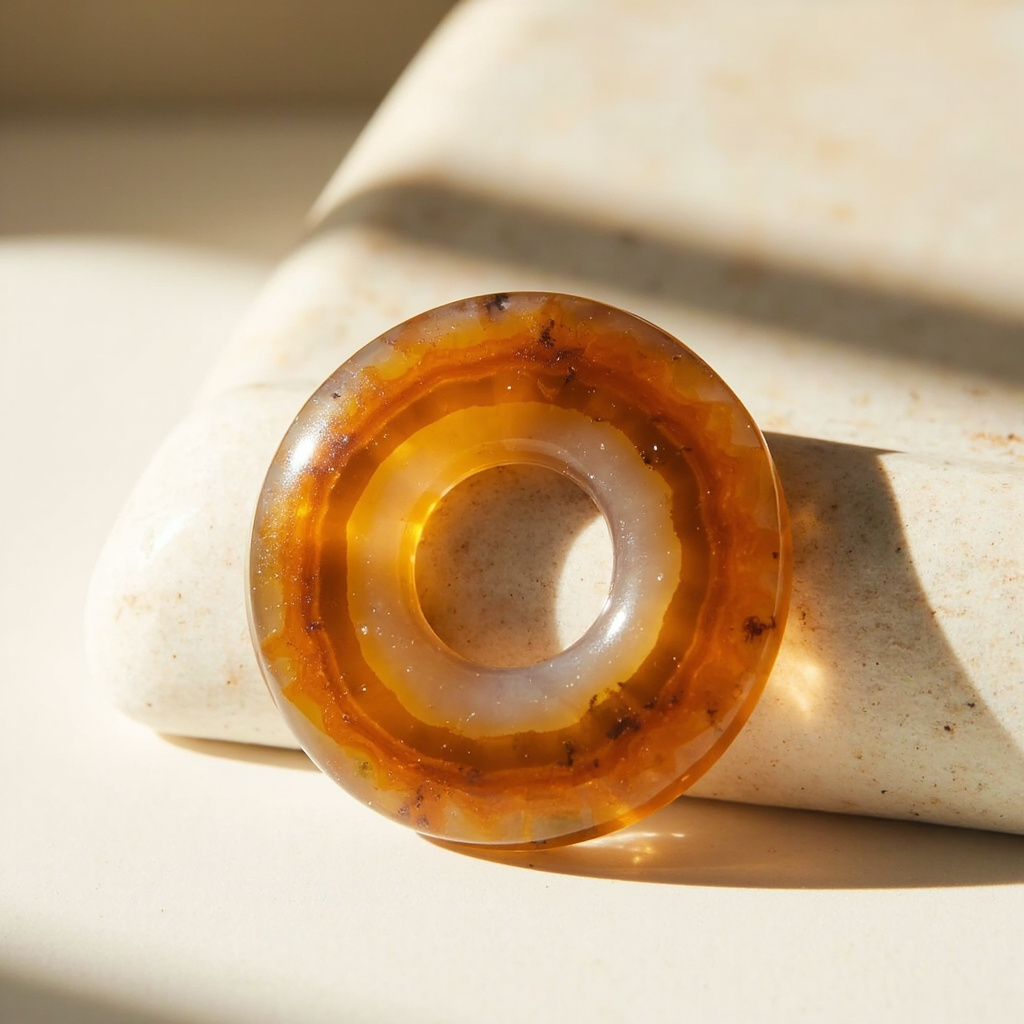
Natural agate forms over millions of years through silica deposits in volcanic rock cavities, creating the distinctive banding patterns that make each piece unique. When seeking a real agate donut pendant, the first step involves learning to recognize genuine characteristics. Authentic agate displays subtle color variations within its bands, irregular patterns that never repeat exactly, and a translucency that allows light to pass through thinner sections. The stone should feel cool to the touch and carry a satisfying weight that indicates genuine mineral density.
Gemstone specialty stores remain one of the most reliable sources for purchasing real agate donut pendants. These establishments typically employ knowledgeable staff who can explain the origin and quality of their pieces. Visiting a physical store allows customers to examine the pendant personally, checking for the natural imperfections that indicate authenticity. Store representatives often provide documentation about the stone sourcing and may offer certificates of authenticity from recognized gemological laboratories.
Online marketplaces have expanded access to agate jewelry, though buyers must exercise caution when navigating these platforms. Reputable websites that specialize in gemstones and mineral specimens generally maintain quality standards and provide detailed photographs showing multiple angles of each piece. Look for sellers who include high-resolution images revealing the stone's internal patterns and who offer clear return policies. Customer reviews can provide insight into previous buyers' experiences, though personal judgment remains essential when evaluating authenticity claims.
Etsy and similar artisan platforms connect buyers directly with independent jewelry makers who source their own materials. Many of these creators purchase rough agate and have pieces professionally cut and polished, ensuring quality control throughout the production process. Communicating with sellers about their sourcing practices often reveals their commitment to providing genuine gemstones. Artisans typically take pride in their materials and welcome questions about origin and treatment.
Wholesale gem shows and mineral exhibitions offer opportunities to purchase directly from suppliers and lapidaries who work with rough stone. These events allow buyers to handle pieces before purchasing and ask detailed questions about cutting techniques and stone origins. Building relationships with vendors at these shows can lead to better selection access and pricing for future purchases. Many attendees return annually to stock up on materials for personal jewelry projects.
Auction houses and estate sales occasionally feature antique agate jewelry, including donut pendants from various historical periods. These sources may require more expertise to evaluate, as pieces may have been modified or repaired over time. However, vintage agate often demonstrates superior cutting techniques and unique colorations no longer commonly found in contemporary production. Professional appraisal services can verify authenticity and provide provenance information for significant purchases.
When evaluating any potential purchase, several warning signs suggest the piece might not be genuine agate. Uniform coloring throughout the stone indicates possible dyeing or synthetic production. Perfectly symmetrical patterns rarely occur in natural formation. Extremely low prices often reflect material quality rather than seller generosity. Glass imitations can be identified by checking for air bubbles under magnification, which do not occur in natural stone.
The price range for authentic agate donut pendants varies considerably based on size, color quality, and origin. Brazilian agate typically offers affordable options with characteristic blue and gray banding. Dendritic agate featuring natural tree-like inclusions commands higher prices due to its rarity. Large pieces over forty millimeters in diameter naturally cost more due to the greater material required. Understanding these price factors helps buyers recognize fair deals versus suspiciously discounted offers.
Caring for a real agate donut pendant ensures its beauty endures for generations. Agate ranks between six and seven on the Mohs hardness scale, making it durable for daily wear but requiring protection from harder materials. Cleaning with mild soap and soft brushes removes accumulated oils without damaging the stone surface. Storing pieces separately prevents scratching from contact with diamonds or other harder gemstones.
Building a collection of authentic agate donut pendants opens creative possibilities for personal expression through layered necklace designs. Combining different sizes, colors, and cuts creates visual interest while maintaining a cohesive aesthetic. The investment in genuine materials rewards collectors with pieces that appreciate in value and carry the timeless beauty of natural formation. Taking time to research sources and verify authenticity leads to satisfying purchases that enhance any jewelry wardrobe.