
Sleep problems affect millions of people worldwide, leading many to explore alternative remedies beyond traditional medications. One such option that has gained significant attention is the smoky quartz bracelet. But can wearing a smoky quartz bracelet actually help with sleep issues? This question deserves a thoughtful examination of what smoky quartz is, how it might influence sleep, and what users can realistically expect.
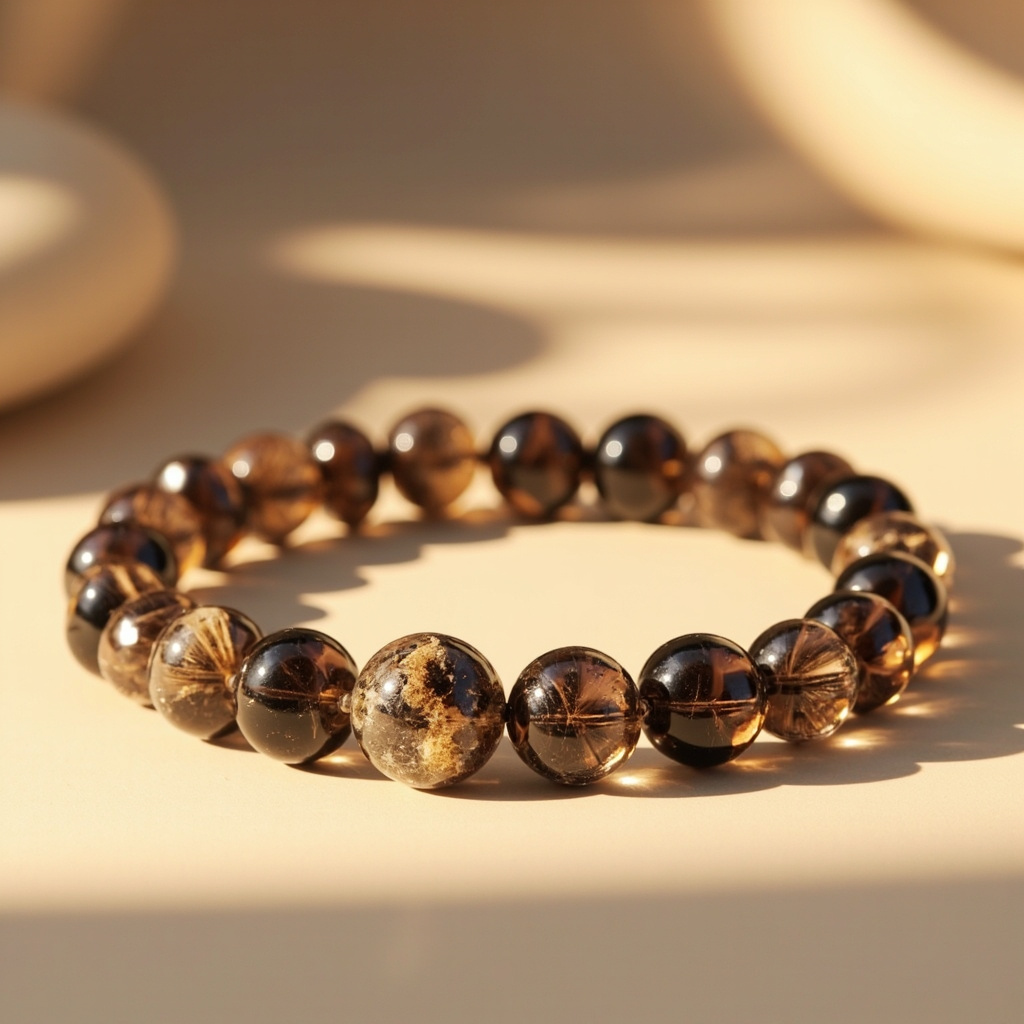
Smoky quartz is a brown to black variety of quartz crystal that receives its color from natural radiation and aluminum impurities. This gemstone has been valued for centuries across various cultures for its grounding and protective properties. When shaped into a bracelet, smoky quartz becomes a convenient accessory that allows the wearer to keep the stone close throughout the day and night. The connection between crystals and better sleep stems from the practice of crystal healing, which posits that certain stones can influence energy fields and promote physical and emotional well-being.
Those who believe in the benefits of smoky quartz for sleep often cite its supposed ability to absorb negative energy and promote relaxation. The reasoning goes that by wearing the stone, individuals can experience a calming effect that makes it easier to fall asleep and stay asleep throughout the night. Advocates suggest that smoky quartz helps quiet racing thoughts and reduces anxiety, which are common culprits behind insomnia and restless nights. This perspective frames the bracelet as a tool for creating a more peaceful mindset before bedtime.
From a practical standpoint, the ritual of wearing and interacting with a smoky quartz bracelet can contribute to better sleep hygiene. Establishing a consistent bedtime routine is crucial for quality rest, and incorporating the bracelet into that routine can signal to the brain that it is time to wind down. The physical sensation of the stone against the skin can serve as a grounding reminder to let go of the day's stresses. This psychological component should not be underestimated, as the power of suggestion and relaxation techniques often plays a significant role in sleep improvement.
However, it is important to approach smoky quartz bracelets with realistic expectations. The scientific evidence supporting crystal healing remains limited, and mainstream medicine does not recognize crystals as effective treatments for medical conditions. Sleep disorders sometimes require professional diagnosis and treatment, and individuals should consult healthcare providers before relying solely on alternative remedies. Smoky quartz should be viewed as a complementary practice rather than a cure-all solution for serious sleep problems.
When choosing a smoky quartz bracelet for sleep purposes, quality matters. Genuine smoky quartz should feel smooth and comfortable against the skin, especially during sleep when you may be wearing it for extended periods. Many people prefer polished stones that have been shaped into round or oval beads for added comfort. The bracelet should fit snugly enough to stay in place but not so tight that it causes discomfort. Some users find that wearing the bracelet on their non-dominant hand feels most natural and least intrusive during sleep.
Many users report positive experiences with smoky quartz bracelets for sleep improvement, though these testimonials are subjective and may reflect placebo effects. Placebo responses can be powerful, and if believing in the bracelet's effectiveness helps someone relax enough to sleep better, that benefit is still meaningful. The relaxation response itself, regardless of its source, can genuinely improve sleep quality. This makes smoky quartz potentially valuable as part of a holistic approach to better sleep.
Combining a smoky quartz bracelet with other sleep-promoting practices can enhance its potential benefits. Creating a dark, cool sleeping environment free from electronic devices supports the body's natural circadian rhythms. Establishing consistent sleep and wake times reinforces healthy patterns. Relaxation techniques such as deep breathing, meditation, or gentle stretching before bed can complement the calming properties attributed to smoky quartz. When used thoughtfully alongside these practices, a smoky quartz bracelet may contribute to an overall sleep-friendly lifestyle.
The decision to use a smoky quartz bracelet for sleep issues ultimately depends on personal preference and belief in alternative healing practices. While scientific validation remains scarce, the long history of crystal use across cultures suggests that these stones hold meaning and value for many people. Whether the benefits come from the stone itself, the placebo effect, or the relaxation that follows belief in its effectiveness, the outcome of better sleep is what matters most to those seeking relief.
In conclusion, a smoky quartz bracelet may help with sleep issues for individuals who find it calming and grounding. The stone's association with relaxation and stress relief makes it a reasonable choice for those exploring natural sleep aids. However, it should not replace professional medical advice for persistent sleep disorders. For anyone struggling with ongoing sleep problems, combining alternative approaches like smoky quartz with consultation from healthcare professionals offers the most comprehensive path toward restful nights.