
Agate bracelets have long been cherished for their natural beauty, unique banding patterns, and supposed metaphysical properties. These decorative accessories are crafted from one of the most popular varieties of chalcedony, a form of quartz that displays distinctive colors and patterns. However, purchasing a agate bracelet that fits perfectly can be challenging, especially when buying online or receiving gifts. Many wearers find themselves wondering whether their bracelet can be resized if it proves too large for their wrist.
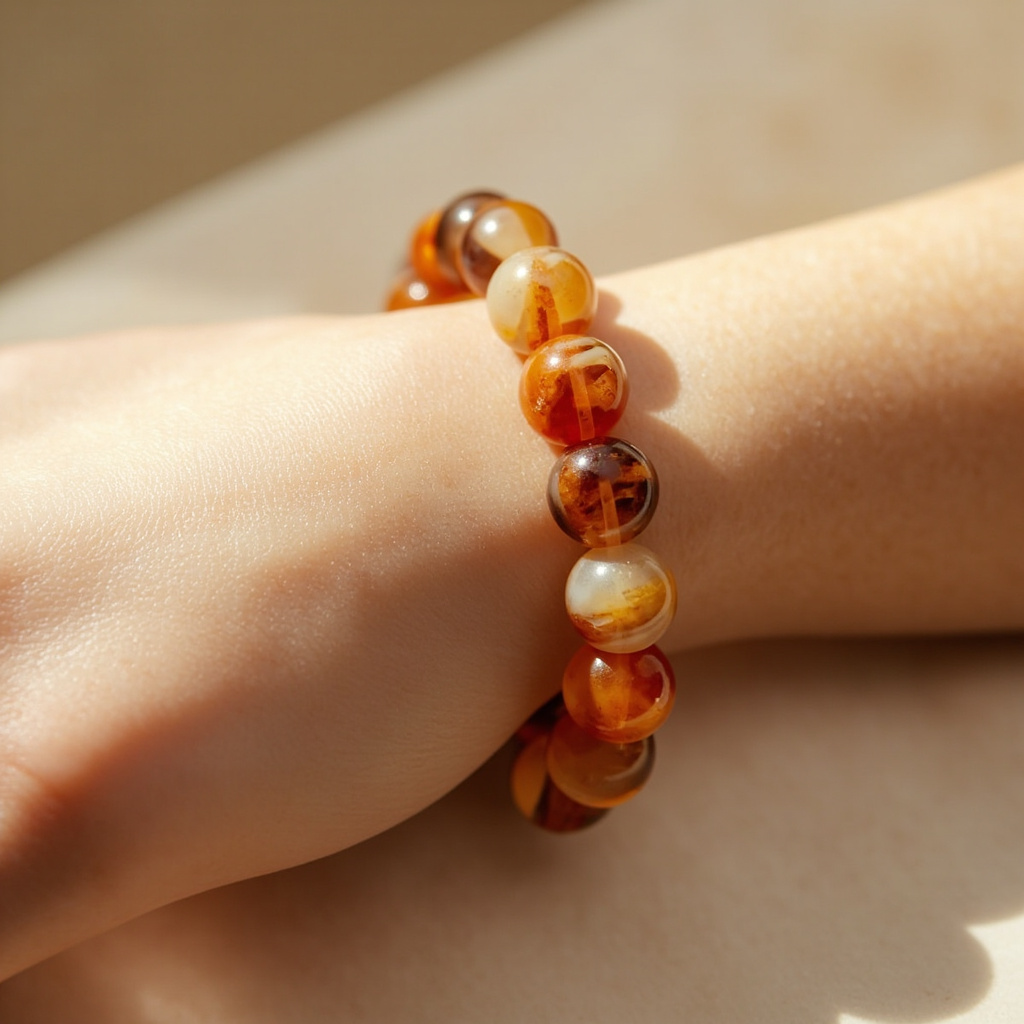
Unlike metal bracelets that can be easily adjusted by removing or adding links, agate bracelets present unique challenges due to their construction. Most agate bracelets consist of individual beads that are strung together on an elastic cord or wire. This beaded design means that traditional resizing methods used for metal jewelry do not apply. The question of whether a resize bracelet operation is possible depends on several factors including the bead size, the stringing material, and the overall design of the piece.
The most common method of resizing an agate bracelet involves removing beads to reduce its circumference. This process requires careful calculation to ensure that the bracelet remains balanced and aesthetically pleasing. A skilled jeweler can remove beads from various points along the bracelet, typically taking them from less visible areas such as the underside of the wrist when worn. The elastic cord or wire must then be re-strung and secured properly to maintain the integrity of the piece. This approach works best with larger beads where removing one or two will make a noticeable difference in size.
Smaller bead sizes present greater difficulties when attempting to resize a bracelet. Because smaller beads result in a more precise fit, removing even a single bead can create a significant change in circumference. In some cases, the reduction might be too dramatic, making the bracelet either too tight or requiring the removal of multiple beads that could compromise the design. When dealing with smaller beads, alternative solutions may prove more practical than attempting to modify the original piece.
Silicone ring inserts offer one popular alternative for those who want to avoid modifying their agate bracelet. These small rings can be placed around the wrist before sliding on the bracelet, effectively reducing the inner circumference without altering the jewelry itself. This solution is temporary and can be easily removed when desired. However, it may not provide the most elegant appearance, especially for dressier occasions.
Another approach involves adding a charm or decorative element that serves a functional purpose. Small beads made of matching or complementary materials can be inserted between existing beads to reduce the spacing and effectively shorten the bracelet. This method maintains the original design while achieving a better bracelet fitting. The key is to ensure that any additions blend seamlessly with the existing piece and do not create awkward gaps or protrusions.
Professional jewelers possess the specialized tools and expertise needed to safely resize beaded bracelets. Before attempting any modifications, it is essential to consult with a qualified professional who can assess the piece and recommend the best course of action. The cost of resizing varies depending on the complexity of the design and the materials involved. Some jewelers may advise against resizing certain pieces, particularly those with delicate stringing materials or intricate designs that could be damaged during the process.
Prevention remains the best approach when it comes to bracelet fitting issues. When purchasing an agate bracelet, measuring your wrist circumference accurately is crucial. The bracelet should fit comfortably without sliding excessively or creating pressure points. Most experts recommend adding one to two centimeters to your actual wrist measurement to account for the bracelet diameter and ensure comfortable movement. Understanding standard sizing conventions used by jewelry designers can help avoid fit issues from the start.
The condition of the stringing material plays a significant role in determining whether resizing is advisable. Older bracelets with degraded elastic cords may not withstand the stress of bead removal and re-threading. In such cases, complete restringing might be necessary, which increases both the cost and the risk of damaging the beads. Regular inspection of the cord and timely restringing can prevent unexpected breakage and extend the life of the bracelet.
For those who have inherited or received vintage agate bracelets that do not fit, museum conservation principles suggest preserving the original design whenever possible. Temporary solutions like adjustable clasps or creative wrapping techniques may provide better alternatives than permanent modification. Some vintage bracelets feature special beads called converter beads that allow for size adjustment without removing the original beads.
The decision to resize an agate bracelet ultimately depends on individual circumstances, the value of the piece, and personal preferences. While professional resizing is possible in many cases, it requires careful consideration and skilled execution. Understanding the limitations and possibilities helps wearers make informed decisions about caring for their cherished agate jewelry while ensuring comfortable and stylish wear for years to come.