
Moissanite has become one of the most popular diamond alternative gemstones in recent years, offering exceptional brilliance and durability at a fraction of the cost. However, as its popularity grows, so does the market for fake or misrepresented moissanite stones. Knowing how to identify authentic moissanite from imitations can save you from disappointment and financial loss. This comprehensive guide will walk you through effective methods to test your moissanite at home using simple techniques and basic tools.
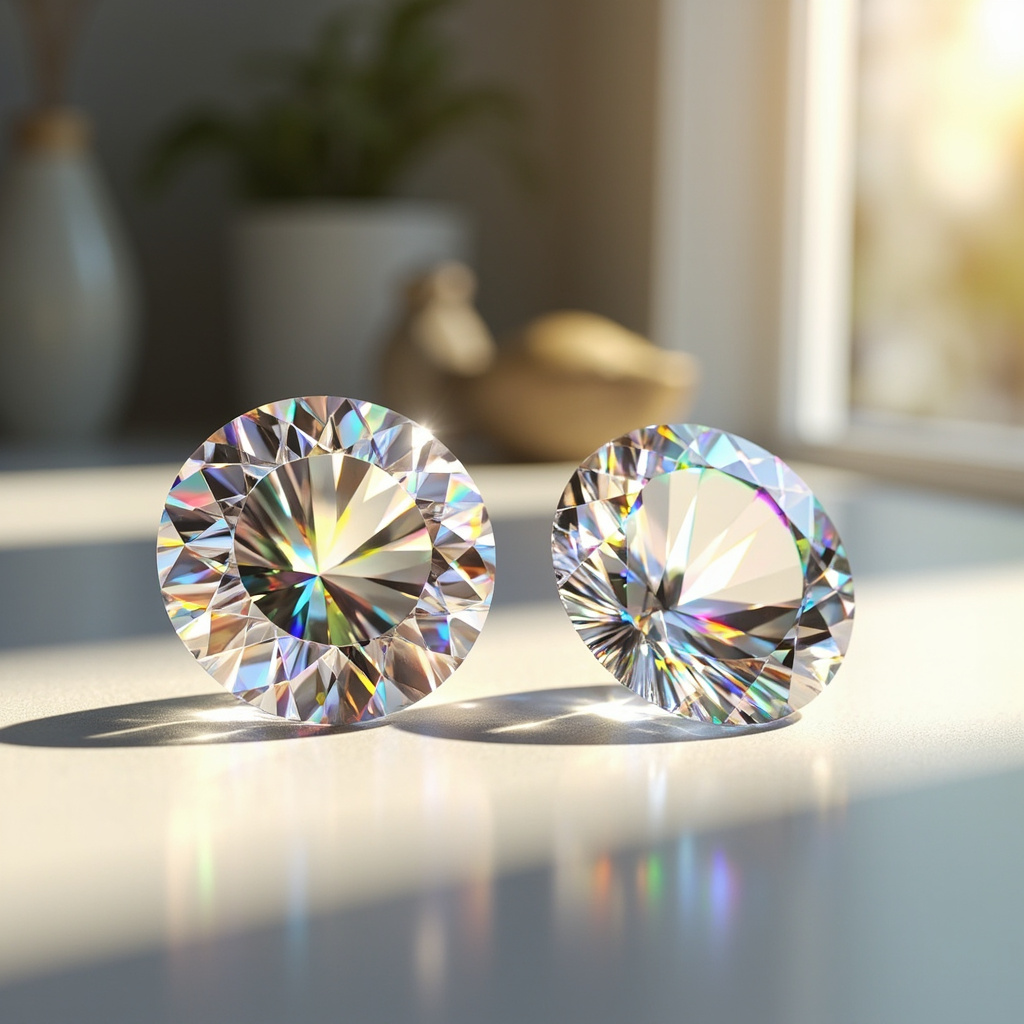
The first and most noticeable characteristic of moissanite is its extraordinary brilliance. When light enters a genuine moissanite stone, it creates a stunning rainbow of colors through a process called dispersion. This fire effect is significantly more pronounced than in diamonds or cubic zirconia. To perform a basic brilliance test, hold your stone under a single light source and observe the patterns of light reflection. Authentic moissanite will display intense rainbow flashes, particularly noticeable when you rotate the stone. If you see predominantly white light with minimal color dispersion, you may be looking at a diamond or another gemstone altogether.
The conductivity test represents one of the most reliable methods for identifying genuine moissanite. Unlike diamonds, which are typically non-conductive, moissanite conducts electricity due to its silicon carbide composition. Many jewelers use specialized conductivity meters, but basic electrical conductivity testers designed for gemstones can provide useful information at home. Simply follow the manufacturer's instructions to test your stone. A positive conductivity reading suggests the stone could be moissanite, while no conductivity indicates you likely have a different gemstone on your hands.
Thermal conductivity differs between moissanite and other stones, which forms the basis for another effective testing method. Diamond testers that rely solely on thermal conductivity may give inaccurate readings when used on moissanite. Some testers specifically designed for moissanite use a combination of thermal and electrical conductivity measurements. If you have access to such a tester, compare readings between your stone and a known moissanite sample if possible. Significant differences in readings between similar-looking stones may indicate one is not genuine moissanite.
Visual inspection under magnification can reveal important clues about your stone's authenticity. Using a jeweler's loupe or a magnifying glass with at least 10x magnification, examine the stone's facets and edges carefully. Authentic moissanite often displays double refraction, meaning you may see doubling of the facet edges when looking through the stone. This characteristic occurs because moissanite has a different crystal structure than diamonds. Cubic zirconia and glass imitations typically lack this double refraction effect. Look carefully at the edges of facets; if they appear doubled or fuzzy, you likely have moissanite rather than a diamond.
The weight test provides another simple verification method. Moissanite is less dense than cubic zirconia but denser than diamond. While you cannot determine exact weight without proper scales, comparing a suspected moissanite stone to a known diamond of similar size can reveal differences. Cubic zirconia will feel noticeably heavier than moissanite of the same visual size. This method works best when you have reference stones available for comparison.
Scratch resistance testing should be approached with caution but can provide information about your stone's hardness. Moissanite ranks 9.25 on the Mohs hardness scale, making it extremely durable and second only to diamonds. A steel file, which typically rates around 6.5 to 7 on the Mohs scale, cannot scratch genuine moissanite. However, scratching your stone risks damaging settings or surrounding stones, so this test should only be performed as a last resort and never on mounted jewelry where the stone cannot be easily accessed.
Professional appraisal remains the most reliable method for verifying moissanite authenticity. Certified gemologists have access to advanced testing equipment that can definitively identify moissanite and distinguish it from all other materials. While home tests provide useful indicators, only professional testing can guarantee absolute certainty about your stone's identity and quality.
Understanding the characteristics that distinguish authentic moissanite from fake alternatives empowers you to make informed purchasing decisions. The combination of brilliance observation, conductivity testing, visual examination under magnification, and careful weight comparison provides a comprehensive approach to verifying your stone at home. While no single test offers complete certainty, using multiple methods together significantly increases your ability to identify genuine moissanite. When in doubt, always seek professional evaluation from a certified gemologist who can provide official documentation of your stone's authenticity and characteristics.