
Crystal bracelets have become increasingly popular as both fashion accessories and tools for wellness practices. These beautiful pieces often contain stones like amethyst, rose quartz, tiger eye, and many other varieties that people wear daily for their aesthetic appeal and perceived metaphysical benefits. However, when summer arrives and the temperatures rise, many wearers find themselves asking whether they can safely wear their crystal bracelets while taking a refreshing dip in the pool.
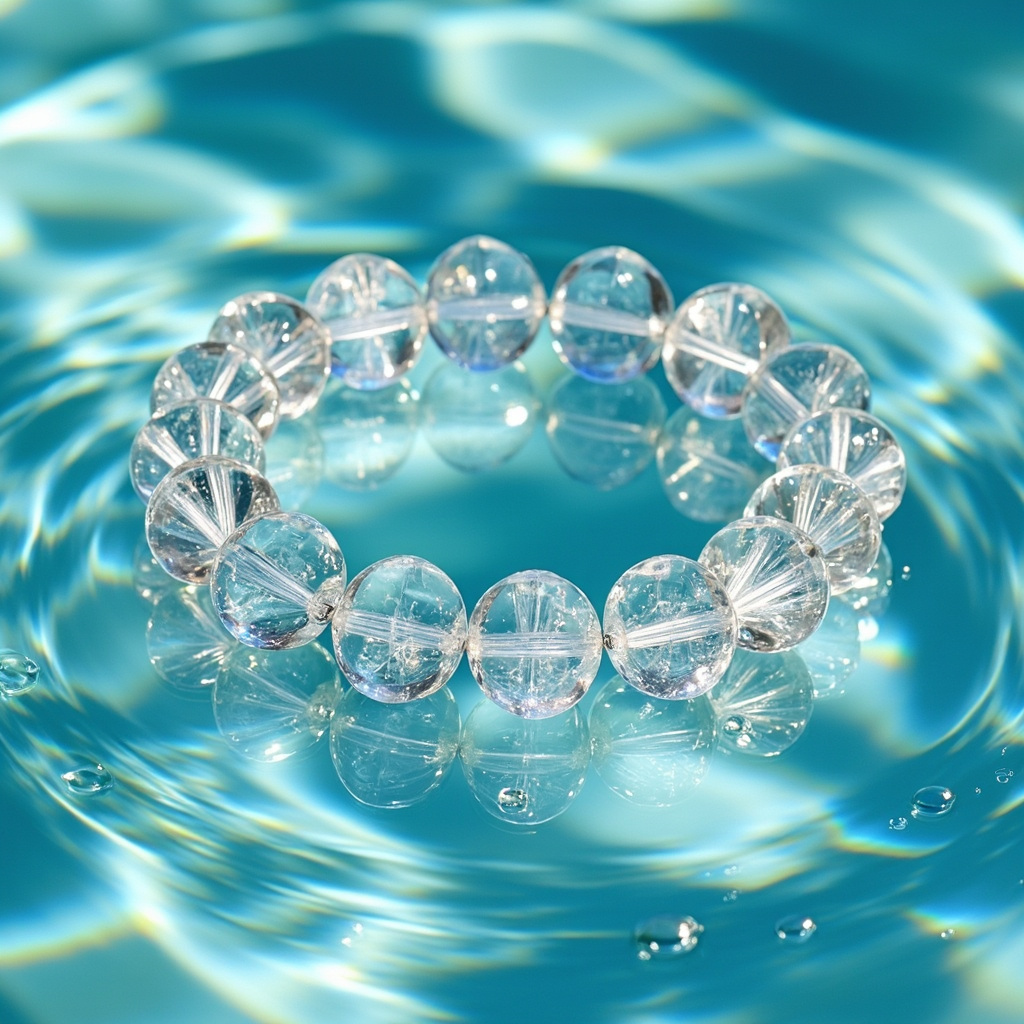
The answer to this question depends largely on the specific type of crystal in your bracelet and how it has been set. Pool water presents a unique challenge because it typically contains chlorine, which is added to keep the water clean and safe for swimmers. Chlorine is a chemical that can react with various minerals and materials, potentially causing damage to sensitive stones over time. Understanding how your crystal bracelet might respond to this environment is essential for making an informed decision.
Harder crystals such as quartz varieties generally tolerate brief exposure to pool water better than softer stones. Clear quartz, rose quartz, and amethyst fall into this category and can usually withstand occasional contact with chlorinated water without suffering immediate visible damage. These stones have a higher hardness rating on the Mohs scale, which measures a mineral's resistance to scratching and surface damage. However, even these harder stones can experience subtle changes in their appearance over prolonged or repeated exposure.
Softer crystals present a different story entirely. Stones like selenite, fluorite, and malachite are particularly vulnerable to chemical exposure. Selenite, in fact, is actually water soluble and should never be submerged in pool water or any other liquid. These softer materials can become dull, develop surface etching, or even crack when exposed to the harsh chemicals commonly found in swimming pools. If your bracelet contains any of these sensitive stones, removing it before entering the pool is strongly recommended.
Beyond the crystals themselves, the string or wire holding your bracelet together also deserves consideration. Most crystal bracelets are strung on elastic cord, silk thread, or wire with knots between each stone. Chlorine can weaken these materials over time, causing the cord to become brittle and increasing the risk of the bracelet breaking while you swim. Salt water, if you are swimming in the ocean or a saltwater pool, presents similar concerns and can accelerate the degradation of these binding materials.
If you decide that wearing your crystal bracelet in the pool is necessary for a particular occasion, there are several precautions you can take to minimize potential damage. First, consider applying a waterproof sealant to any metal components if your bracelet includes clasps or findings made of silver or gold filled materials. Second, rinse your bracelet thoroughly with clean fresh water immediately after exposure to chlorinated or salt water. Third, pat the stones dry gently and allow the bracelet to air dry completely before storing it.
The energetic properties that many people associate with crystals may also be affected by exposure to pool chemicals. While scientific evidence for these claims remains limited, many crystal enthusiasts believe that chlorine can cleanse crystals in ways that disrupt their intended energy work. Some practitioners prefer to energetically recharge their crystals after pool exposure, while others view this as a natural cleansing that may actually benefit the stone.
For those who wish to enjoy swimming while still protecting their crystal bracelets, the simplest solution is to remove the bracelet before swimming and store it safely in a dry place. Consider purchasing a small jewelry pouch or waterproof case to keep with your poolside belongings. This approach ensures that your bracelets remain in optimal condition while allowing you to swim without worry.
Regular maintenance can extend the life of your crystal bracelets regardless of whether they encounter pool water. Cleaning the stones periodically with a soft cloth and mild soap can help remove any accumulated residues. Checking the condition of the cord or string regularly allows you to identify potential weak points before they result in a broken bracelet. Taking these steps helps preserve both the physical beauty and the perceived energetic qualities of your beloved crystal accessories.