
Agate bracelets have captivated jewelry enthusiasts for centuries, prized for their unique banding patterns and natural beauty. When shopping for these semi-precious stone accessories, one crucial skill is determining whether the polish achieved on the beads is natural or artificially enhanced. Knowing how to tell if an agate bracelet is polished naturally can save you from purchasing misrepresented items and ensure you get genuine value for your investment.
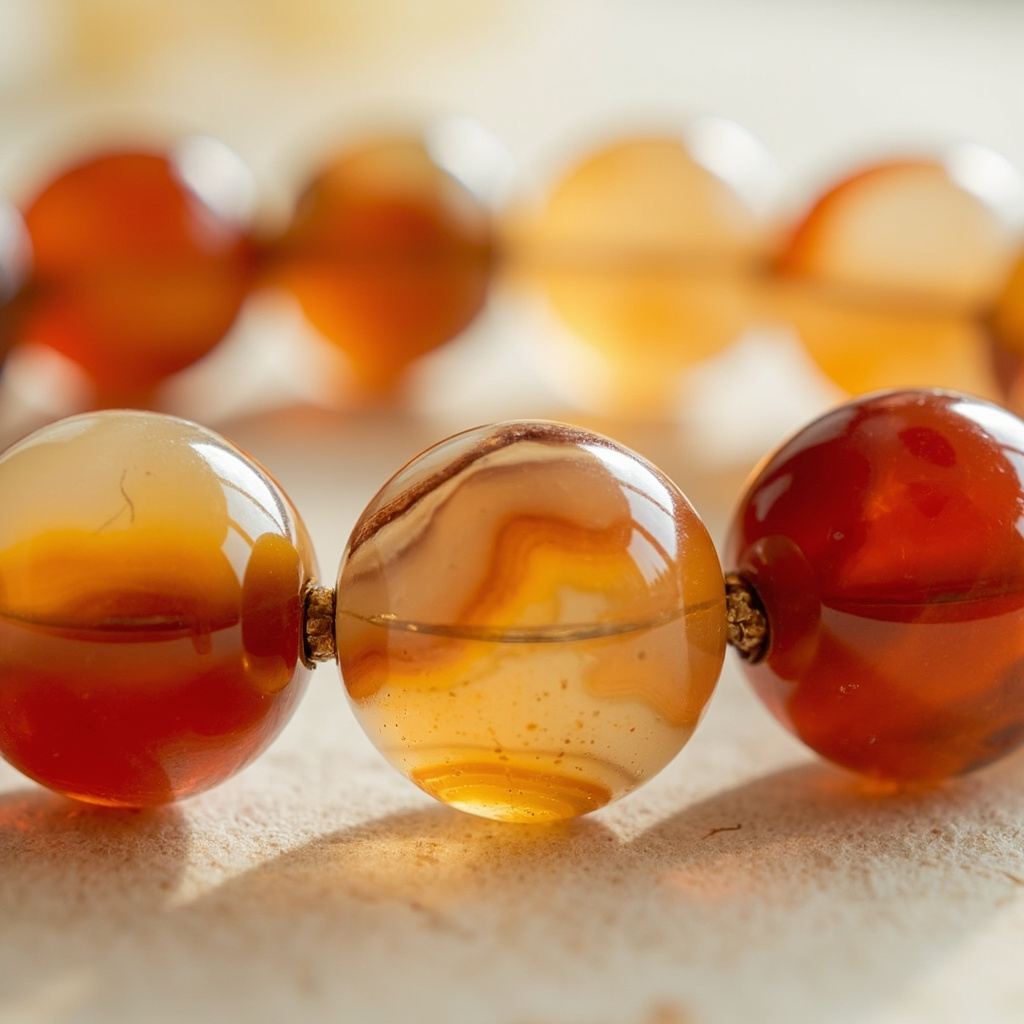
The most fundamental aspect to examine is the surface texture of the beads. A naturally polished agate bracelet will display a smooth, consistent finish across all beads. Run your fingers along the surface and feel for any irregularities, rough patches, or inconsistencies. When stones are polished naturally through tumbling or hand finishing, the process creates an even, glassy texture that feels pleasant to the touch. In contrast, artificial polishing often leaves subtle differences between individual beads, with some areas appearing shinier than others due to uneven application of polishing compounds or machinery.
Luster serves as another critical indicator of the polishing method used. Natural polish on agate produces what gemologists call a waxy to vitreous luster that seems to emanate from within the stone itself. The light appears to penetrate slightly below the surface before reflecting back, creating a warm, organic glow. Artificial polishing typically results in a surface luster that sits flat on top of the stone, appearing more plastic-like or resinous. This superficial shine often looks overly bright and can appear unnatural when compared to the deeper luminosity of naturally polished specimens.
Examining the color and pattern distribution provides additional clues about the polishing process. When examining your potential purchase, observe whether the colors and banding patterns remain consistent throughout the bracelet. Naturally polished agate maintains uniform color saturation and pattern visibility across all beads because the polishing process affects the entire stone evenly. Artificially polished pieces may show variations in color intensity or pattern clarity between beads, particularly if different batches or techniques were used during processing.
The presence of small imperfections can actually indicate natural polishing rather than detract from it. Authentic naturally polished agate often retains very fine scratches or minor surface variations that become visible under magnification. These imperfections demonstrate that human intervention was minimal and the stone's natural characteristics were preserved. Conversely, artificially polished bracelets often appear too perfect, with a manufactured uniformity that lacks the organic character of genuinely natural finishes.
Weight and temperature provide sensory indicators that many buyers overlook. A naturally polished agate bracelet typically feels substantial and cool to the touch, maintaining temperature relatively consistently regardless of room conditions. Artificially polished pieces, especially those with heavy resin coatings or synthetic fillers, may feel lighter or exhibit more dramatic temperature changes. Holding the bracelet and noting how it feels against your skin can provide subconscious information about its authenticity.
Checking for coating residue offers another reliable authentication method. Examine the beads under bright light for any indication of waxy, oily, or synthetic coating residues. Naturally polished agate should not have any detectable coating layer sitting on top of the stone surface. If you notice a slightly sticky residue or see light reflecting strangely off the surface, the bracelet has likely undergone artificial treatment to enhance its appearance.
The drill holes on each bead deserve careful inspection as well. Natural polishing typically results in smooth, clean drill holes with beveled edges that blend naturally with the surrounding stone. Artificially polished bracelets may show chipping, rough edges, or visible discoloration around the holes, indicating that polishing compounds or protective coatings did not penetrate these hard-to-reach areas evenly.
Professional gemological testing provides the most definitive answers when visual inspection proves inconclusive. Gemologists can examine stones under magnification, perform specific gravity tests, and conduct other examinations that reveal the true nature of the polishing treatment. While this level of analysis requires specialized equipment and expertise, it eliminates any doubt about whether an agate bracelet has been naturally polished.
Understanding these identification methods empowers you to make confident purchasing decisions. Whether you are a collector seeking genuine specimens or simply want to ensure fair value, these techniques provide reliable guidance. Remember that genuine naturally polished agate bracelets combine authentic beauty with the stone's inherent character, creating accessories that age gracefully and retain their natural appeal for generations.
By taking time to examine surface texture, luster quality, color consistency, and other characteristics outlined here, you can develop the skills necessary to distinguish naturally polished pieces from their artificially enhanced counterparts. This knowledge transforms your shopping experience from uncertain guesswork into informed decision-making backed by observable evidence.