
The arrival of a newborn brings joy and responsibility, and many parents seek natural ways to create a safe and harmonious environment for their little ones. Using crystals for protection has become an increasingly popular practice among parents who believe in the gentle energy these stones can bring to their homes. Understanding which crystals are considered most suitable for newborns can help parents make informed decisions about incorporating these beautiful stones into their baby's environment.
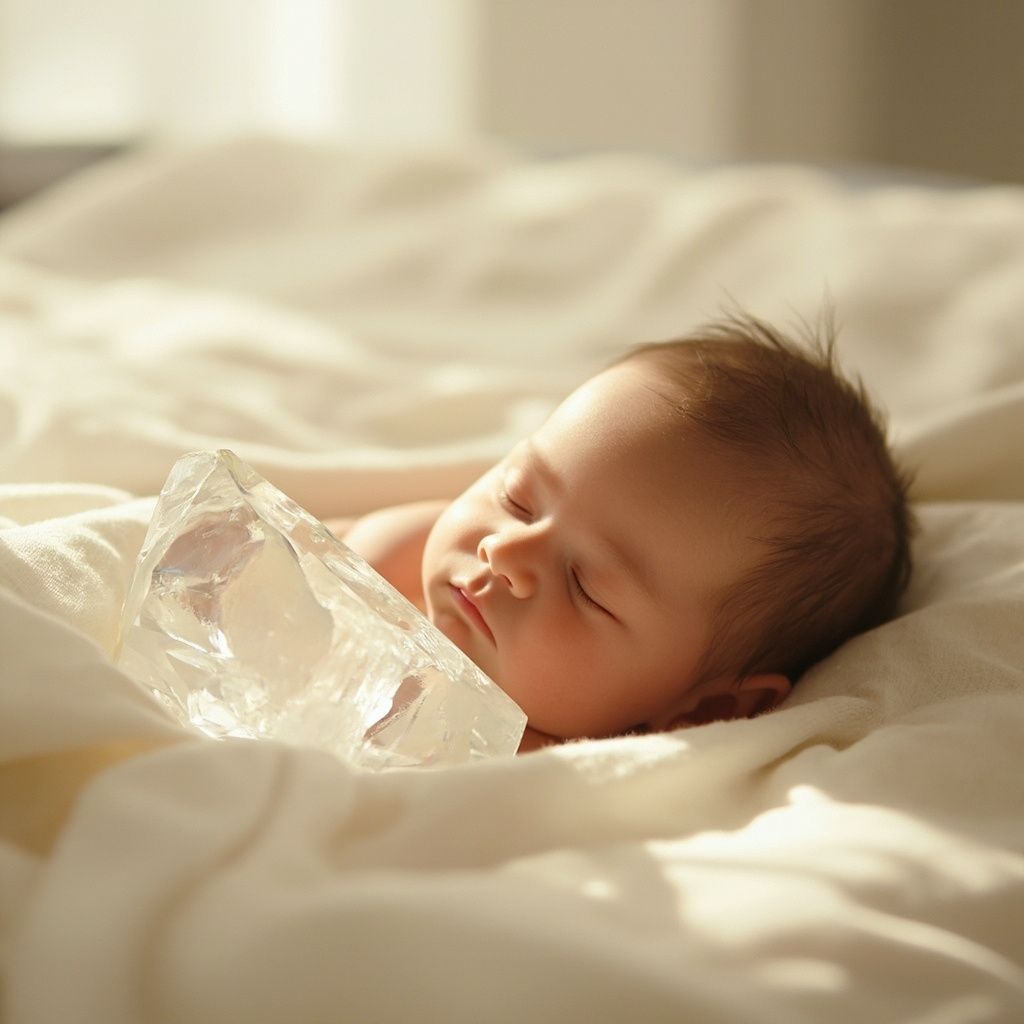
Rose quartz stands out as one of the most commonly recommended crystals for newborns. Known as the stone of unconditional love, this gentle pink crystal is believed to promote feelings of peace, comfort, and emotional balance. Parents often place rose quartz near the baby's crib or in the nursery to create a nurturing atmosphere. The soft energy of this stone is thought to be particularly appropriate for the delicate nature of newborns, offering a sense of security and warmth during those early months of life.
Black tourmaline is another popular choice for protecting babies from negative energies. This powerful grounding stone has been used for centuries to ward off harmful influences and electromagnetic radiation. Many parents choose to place black tourmaline near electronic devices in the nursery or under the crib to create a protective barrier. The strong protective qualities attributed to this crystal make it a favorite among those seeking to shield their newborn from environmental stressors.
Amethyst, with its calming purple hues, is frequently selected for its soothing properties. This crystal is associated with tranquility, peaceful sleep, and spiritual protection. Placing amethyst in the nursery may help create a restful environment conducive to healthy sleep patterns, which is essential for both babies and exhausted parents. The gentle energy of amethyst is considered safe and appropriate for the sensitive nature of infants.
When introducing crystals into a newborn's environment, safety should always be the primary consideration. Crystals should always be kept out of the baby's reach, preferably in secure locations where the baby cannot accidentally grab or chew on them. Many experts recommend placing protective stones on high shelves, hanging them above the crib, or positioning them in areas where the baby cannot access them directly. Never place small crystal pieces directly in the crib or allow the baby to hold crystals unsupervised.
The practice of using crystals around newborns is deeply rooted in various cultural and spiritual traditions. While scientific evidence supporting the metaphysical properties of crystals remains limited, many parents find comfort in these traditional practices. The act of selecting and placing protective stones can be a meaningful ritual for new parents, providing a sense of actively contributing to their baby's wellbeing and protection.
Smoky quartz is sometimes chosen for its grounding and protective qualities. This translucent brown stone is believed to absorb negative energies and promote a sense of stability. Parents who prefer earthier tones may appreciate the natural beauty of smoky quartz while believing in its protective properties. As with all crystals, it should be positioned safely away from the baby's direct contact.
Clear quartz, often called the master healer, is another excellent option for nursery environments. This versatile crystal is believed to amplify positive energies and promote mental clarity. Its transparent appearance complements any nursery decor while potentially adding harmonious energy to the space. Clear quartz is considered gentle enough for use around even the youngest family members.
Cleansing and maintaining crystals is an important aspect of the practice. Stones should be regularly cleaned according to traditional methods, such as placing them in moonlight or using sage smoke. This ensures that the crystals continue to function at their perceived optimal level, maintaining their protective qualities throughout the nursery environment.
Parents should approach crystal use with balanced expectations. While these beautiful stones can certainly add aesthetic appeal to a nursery and may provide emotional comfort to parents, they should not replace medical care or standard safety practices. Creating a truly protective environment for newborns involves proper sleep safety, regular pediatric care, and maintaining a secure home environment.
In conclusion, rose quartz, black tourmaline, amethyst, and clear quartz are among the most commonly recommended crystals for protecting newborns. These stones are valued for their gentle yet powerful properties and their ability to create a harmonious atmosphere in the nursery. By placing these crystals safely and thoughtfully, parents can incorporate this ancient practice into modern parenting while always prioritizing the physical safety and wellbeing of their precious little ones.