
Agate has captivated collectors and gemstone enthusiasts for thousands of years, prized for its stunning banded patterns and remarkable variety of colors. Among the many types available, certain colors stand out as particularly rare and valuable, commanding premium prices in both collector markets and jewelry applications. Determining which agate color ranks as the rarest and most valuable requires examining several factors including geological formation conditions, availability, color saturation, and overall aesthetic appeal.
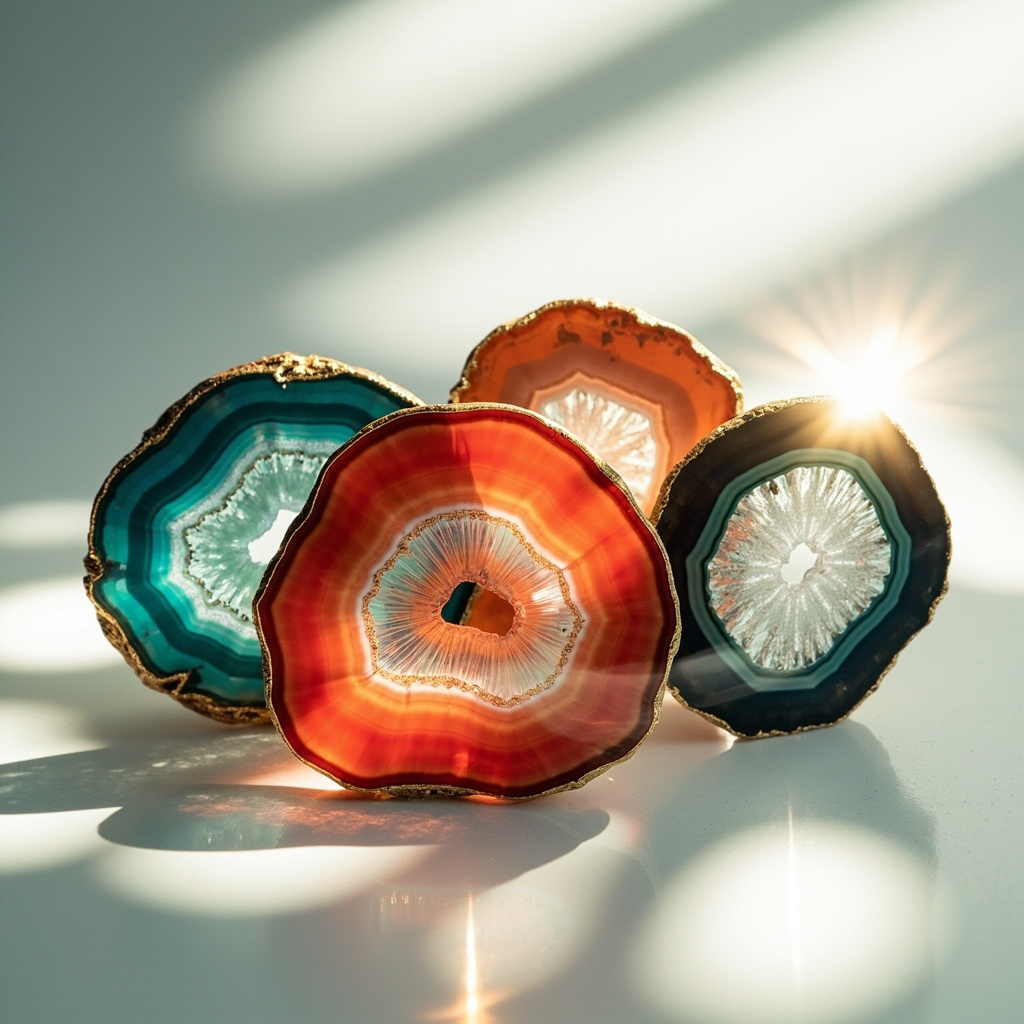
Fire agate widely considered the rarest variety
Fire agate represents what many experts consider the rarest and most valuable type of agate available today. This remarkable gemstone displays a phenomenon called "Schiller effect," which creates stunning iridescent colors including red, orange, yellow, and green that appear to glow from within the stone. The Schiller effect occurs when light refracts through tiny layers of iron oxide and silica within the agate structure, creating a fiery, almost magical appearance that resembles flames dancing beneath the surface.
Fire agate forms exclusively in Arizona and northern Mexico, with most high-quality specimens originating from specific volcanic areas in these regions. The combination of limited geographical distribution and the complex geological conditions required for its formation makes fire agate exceptionally scarce. Fine quality fire agate with vivid, multi-colored Schiller effects can command prices ranging from several hundred to several thousand dollars per carat, depending on the intensity and variety of colors displayed.
Blue lace agate prized for its delicate beauty
Blue lace agate holds a special place among collectors seeking rare and valuable specimens. This variety features soft, light blue banding patterns that create elegant, delicate designs reminiscent of delicate lace fabric. Originally discovered in South Africa in the 1960s, high-quality blue lace agate has become increasingly difficult to source as the original deposits have been largely exhausted. The scarcity of new material combined with consistent demand has driven prices steadily upward over the past several decades.
What makes blue lace agate particularly valuable is the combination of its soothing pastel coloring and the precision of its banding patterns. Specimens displaying evenly spaced, concentric bands in consistent shades of blue command significant premiums over stones with irregular or muddled patterns. Cabochons and polished pieces featuring exceptional blue lace agate can sell for hundreds of dollars, with museum-quality specimens sometimes reaching prices in the thousands.
Dendritic agate offers unique tree-like formations
Dendritic agate presents another category of highly valued and relatively rare agate varieties. Rather than featuring traditional banding patterns, dendritic agate contains inclusions that resemble miniature trees, ferns, or moss formations. These organic-looking patterns develop when manganese and iron oxides fill small cracks and fissures within the agate, creating intricate natural artwork that no human hand could replicate with such precision.
The value of dendritic agate depends heavily on the clarity and detail of its inclusions. Specimens displaying well-defined, three-dimensional tree or fern patterns against a clear to milky background command the highest prices. Pale or indistinct inclusions significantly reduce both the aesthetic appeal and market value of these specimens. High-quality dendritic agate remains relatively scarce, as the specific conditions required for these formations occur infrequently.
Other notable mentions in the rare agate spectrum
While fire agate, blue lace agate, and dendritic agate represent the most valuable categories, several other varieties deserve honorable mention. Purple amethyst agate features stunning purple coloring caused by iron and manganese impurities, with deeply saturated specimens being quite rare. Green agate, colored by chlorite inclusions, offers unusual earth tones that appeal to collectors seeking something different from more common brown and gray varieties.
Botswana agate, distinguished by its distinctive gray and pink banding with striking focus lines, has also increased in value as original mining operations have declined. The complex patterns and limited source location make quality Botswana specimens increasingly difficult to obtain.
Factors determining agate value in the marketplace
Understanding why certain agate colors command premium prices requires examining the specific characteristics that determine market value. Rarity of formation conditions ranks as the primary factor, as some colors simply cannot develop without extremely specific combinations of mineral composition, temperature, pressure, and time. Specimens forming in these exact conditions create naturally limited supplies regardless of market demand.
Color saturation and consistency also significantly impact value. Agate displaying uniform, intense coloring throughout its structure commands higher prices than specimens with muted or inconsistent coloration. Pattern clarity and uniqueness contribute substantially to market value, with specimens featuring distinctive designs that cannot be easily replicated holding particular appeal for serious collectors.
Finally, the size and quality of cutting or polishing can transform a moderately valuable rough specimen into a highly prized finished piece. Expertly cut cabochons that maximize color presentation and pattern visibility often sell for multiples of their raw material value.
Conclusion
When considering which agate color is the rarest and most valuable, fire agate emerges as the primary candidate due to its unique optical properties, limited geographical formation areas, and increasingly depleted sources. Blue lace agate and dendritic agate follow closely behind, offering their own distinctive characteristics that appeal to different collector preferences. These rare varieties demonstrate that while agate remains abundant in general terms, certain specific colors and patterns represent genuine rarities that will continue to increase in value as supplies diminish and collector interest grows.