
A growing number of people ask whether a flower agate bracelet can serve as a catalyst for personal transformation. In an era where wellness trends blend spirituality and style, many are curious if a piece of jewelry can influence internal change, or if the benefits are merely symbolic. This exploration looks at the beliefs surrounding flower agate, the mechanisms that could support self‑growth, and the realistic expectations one should hold.
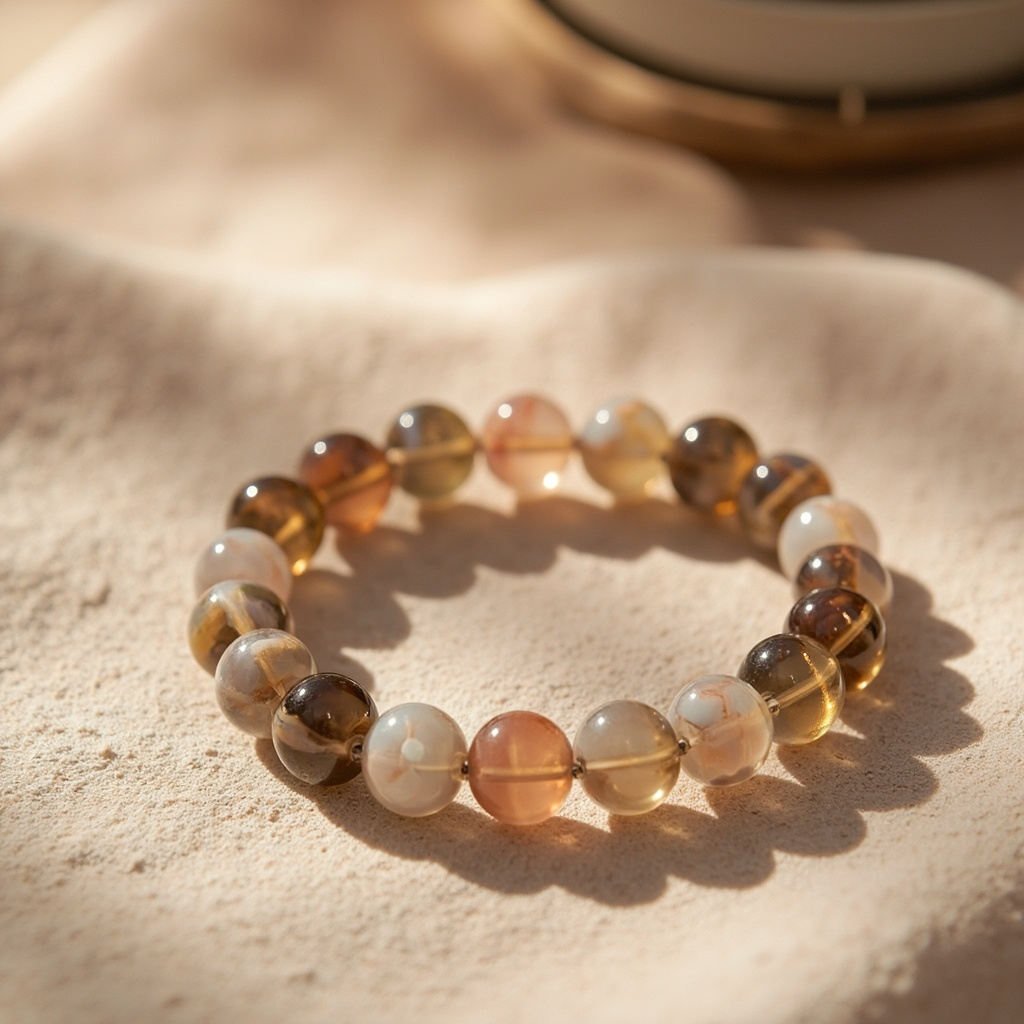
Flower agate is a variety of chalcedony characterized by delicate, petal‑like patterns that resemble blossoms trapped within translucent stone. Mined primarily in Madagascar and Brazil, its pastel hues and gentle banding make it a favorite for handcrafted jewelry. While geologically it shares the same silica structure as other agates, its visual appeal has contributed to its reputation as a “gentle healer” in holistic circles.
Historically, agates have been worn as protective talismans across cultures, from ancient Egypt to medieval Europe. The flower variety, however, is a recent addition to crystal lore, emerging in the early 2000s as practitioners sought stones that combine aesthetic beauty with soothing energy. The notion that such a stone can promote emotional balance stems from the broader tradition of crystal healing, which posits that stones emit subtle vibrations that interact with the body’s energy field.
Proponents claim that a flower agate bracelet can enhance creativity, foster emotional resilience, and encourage a deeper connection to one’s inner self. These benefits are said to align with the concept of self‑growth, which encompasses the development of confidence, emotional intelligence, and purposeful living. When worn close to the skin, the stone is thought to act as a continuous source of gentle encouragement.
One of the primary ways a bracelet can aid self‑growth is through the principle of intention. By setting a clear, personal goal—such as “I embrace patience” or “I nurture my artistic expression”—and visualizing it each time the bracelet is touched, the wearer reinforces neural pathways associated with that aspiration. This repetitive focus transforms a piece of jewelry into a tangible anchor for thought.
From a psychological standpoint, the power of placebos and cognitive anchoring is well documented. When a person believes an object possesses healing qualities, the resulting expectation can trigger physiological changes, such as reduced stress hormones or increased dopamine release. A flower agate bracelet, therefore, may function as a placebo that enhances mood and motivation, indirectly supporting personal development.
To harness this potential, practitioners often recommend a simple daily ritual. Choose a specific intention that resonates with your current growth goal, write it on a small card, and keep it beside the bracelet. Each morning, slip the bracelet onto your wrist while silently repeating the intention. Over time, the association between the tactile sensation of the stone and the mental affirmation can strengthen resolve.
Combining the bracelet with complementary practices amplifies its effect. Meditation can deepen self‑awareness, while journaling provides a reflective space to track progress. Therapy or coaching offers professional guidance that ensures growth is grounded in evidence‑based strategies. The bracelet thus becomes part of a holistic toolkit rather than a solitary solution.
Scientific scrutiny, however, reveals limited empirical evidence for crystal healing. Studies on the efficacy of gemstones often suffer from small sample sizes, lack of control groups, and high susceptibility to placebo effects. While the placebo response can be powerful, it is not a substitute for concrete interventions. Therefore, anyone relying on a flower agate bracelet for self‑growth should remain mindful of this distinction.
Potential pitfalls exist if the bracelet is viewed as a magic cure. Overreliance on external objects may discourage individuals from seeking professional help when needed, especially in cases of mental health challenges. A balanced approach acknowledges the supportive role of symbolism while prioritizing actionable personal effort.
Many users share personal anecdotes online, describing how their bracelet reminded them to pause, breathe, and reaffirm goals during stressful moments. These stories, while compelling, are subjective and not generalizable. They illustrate the psychological comfort that a meaningful object can provide, rather than proving metaphysical causation.
Skeptics argue that any benefit derived from a crystal stems from the wearer’s own mindset, not from any inherent energy of the stone. From this viewpoint, the flower agate bracelet serves as a self‑generated catalyst—a tool that leverages belief to motivate change. This perspective aligns with the broader understanding that external cues can shape internal behavior.
In practice, a flower agate bracelet may contribute to self‑growth by acting as a continuous reminder of personal intentions, fostering a supportive mindset, and enhancing the placebo effect. However, it does not replace the need for deliberate action, reflection, and, when necessary, professional guidance. For those drawn to its gentle aesthetic, it can be a meaningful addition to a broader growth journey.
Ultimately, the decision to wear a flower agate bracelet for self‑growth hinges on personal belief and comfort. If the stone inspires you to set intentions, practice mindfulness, and pursue personal goals, it can serve as a valuable ally. Yet, true transformation still requires commitment, effort, and a willingness to engage with life’s challenges head‑on.